
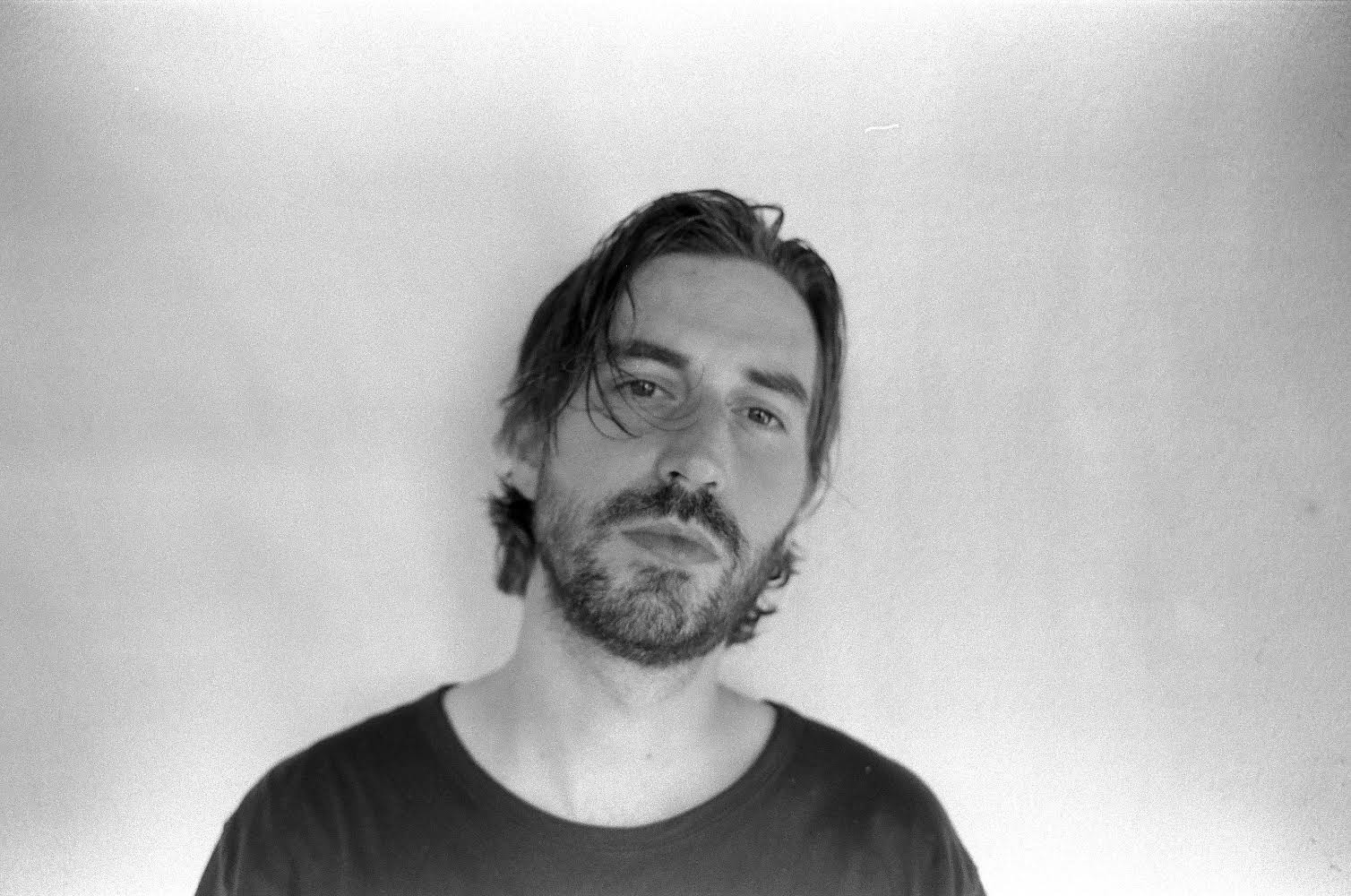



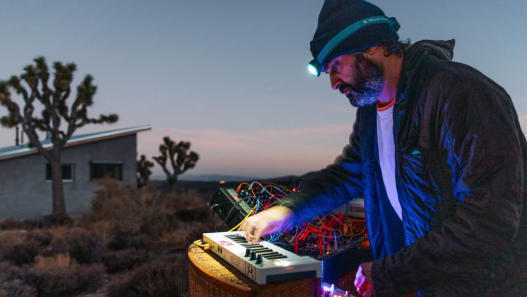




Scottish composer Graham McCusker, who wrote music for the recent hit BBC series ‘His Dark Materials’, today releases an unheard track to raise money for a cancer charity during lockdown.
As its title may suggest, this previously unreleased demo was originally intended for use in the BBC’s hit adaptation of Philip Pullman’s ‘His Dark Materials’ that broadcast last Winter. Though eventually unused in the final soundtrack, McCusker has unearthed this elegant piano piece from his personal archives for fans of the fantasy series to enjoy while in lockdown.
As an added gesture in these uncertain times, McCusker will be donating all proceeds from the release to The Christie NHS Foundation Trust in Manchester. 
A celebrated composer, musician, performer and alumnus of the Royal Northern College of Music, Graham McCusker was enlisted to work as a composer and musical director on the ‘His Dark Materials’ series back in 2018. McCusker’s skilful ability to create Gaelic-inspired compositions with ancient, enigmatic and enchanting qualities, caught the ear of the director Otto Bathurst.
Invited on-set while the production was filming in Wales, McCusker’s pieces struck a chord with many of the cast and crew, garnering support in particular for his compositions intended for the characters of ‘The Gyptians’. While on set, McCusker had the tough task of conducting and directing over 200 people cast as Gyptians to sing his works. This included one-on-one coaching with BAFTA award-winning actress Anne Marie Duff, who plays central character Ma Costa, to bring the memorable ‘Gyptian Settling Song’ (heard in Episode 1: Lyra’s Jordan) to life.
Reflecting on the experience, McCusker says: “The set, cast and directors were all absolutely fantastic, they made me feel very welcome. They were an exceptionally talented group of people at the top of their game. Easy to work with and responded very quickly to the directions and ideas I gave them.”
Following the initial brief to write vocal music for the Gyptians, tracks such as the haunting ‘Dear Boy’ (heard during the emotional funeral scene in Episode 5: The Lost Boy), and ‘Ma Costa Song’ (also written for Anne Marie Duff’s character), were felt to adeptly capture the spirit of the show. This saw McCusker invited to offer further tracks for the series, including the sinister ‘Gobbler Song’ (as heard in Episodes 1 & 2), as well as a wistful piano piece intended to accompany solo scenes of the show’s solitary leading protagonist Lyra Silvertongue (acted by Dafne Keen). Grammy-award winning composer Lorne Balfe, was later named for the series’ overall Post-Production music.
During production, McCusker’s ‘Theme for Lyra’ went unused in the final cut and almost disappeared between the cracks forever… Re-discovering the music in his archives months later, McCusker has decided to share a composition for the world to enjoy. Something of an unofficial bonus entity for fans to immerse themselves in, McCusker hopes it may help to inspire the imaginations of those who find themselves in their own solitude right now:
His Dark Materials: 'Theme for Lyra' (unused demo) by Graham McCuskerFollow Graham McCusker online
Soundcloud | Twitter | Bandcamp | YouTube | Website


With Affordable Web Design & SEO Services, you will get a professional online presence designed to support your business goals. Our service includes a modern, responsive website that works smoothly across desktop, tablet and mobile devices, with clear navigation and a structure that makes it easy for customers to find important information. You will also get SEO Services focused on improving search visibility, attracting relevant visitors and supporting long-term online growth. Affordable Web Design provides practical solutions for businesses that want quality without unnecessary expense. From website design and improvements to ongoing SEO support, you receive a complete approach that combines Web Design & SEO Services to help your business build credibility, reach more potential customers and compete effectively online.